What is an electric servo cylinder? Why can it replace hydraulic cylinders?
I. Introduction: The Evolution of Industrial Drive Technology The development of industrial actuators has progressed through four stages: mechanical, pneumatic, hydraulic, and electric. Hydraulic systems, with their advantages of high load capacity, strong power, and wide adaptability, have long dominated the industrial field. However, this system has significant shortcomings, generally suffering from high energy consumption, easy oil contamination, easy seal aging, cumbersome daily maintenance, and numerous oil leakage risks, resulting in high usage and maintenance costs. With the upgrading of intelligent manufacturing and the increasing demand for energy conservation and emission reduction, traditional hydraulic solutions can no longer meet the requirements of high-precision, high-efficiency, and green low-carbon production. Against this backdrop, electric servo cylinders, with their advantages of energy efficiency, precise control, simple structure, and low maintenance, are rapidly gaining popularity and are gradually becoming a superior alternative to traditional hydraulic devices.
II. What is an Electric Servo Cylinder?
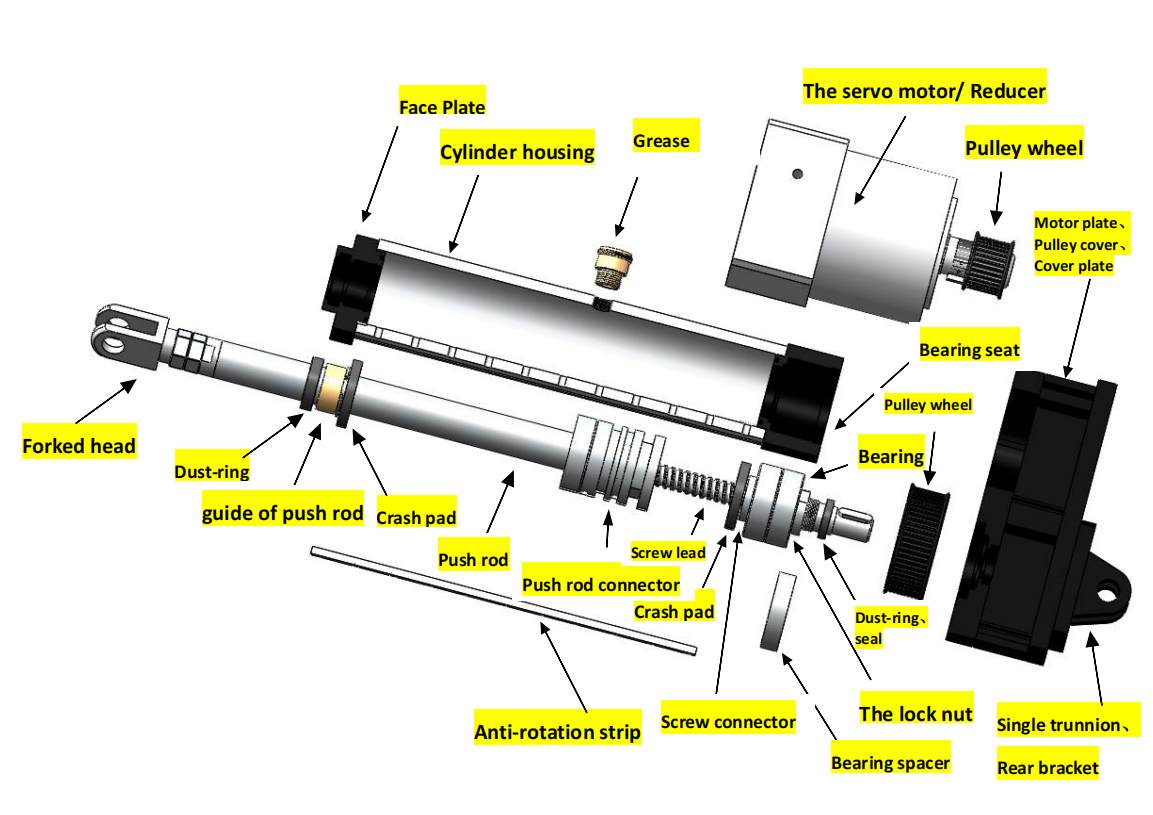
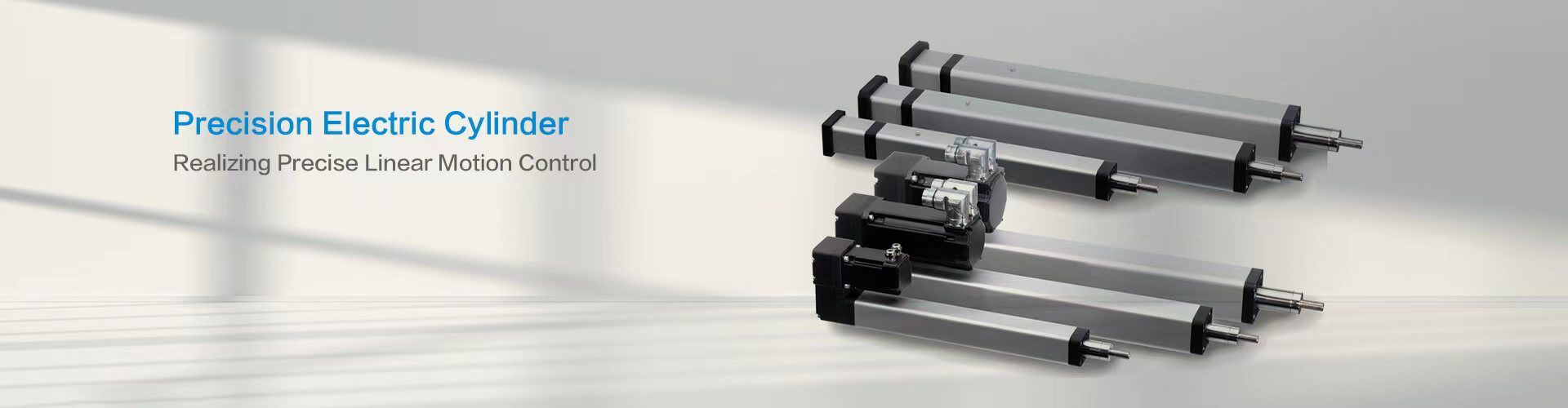
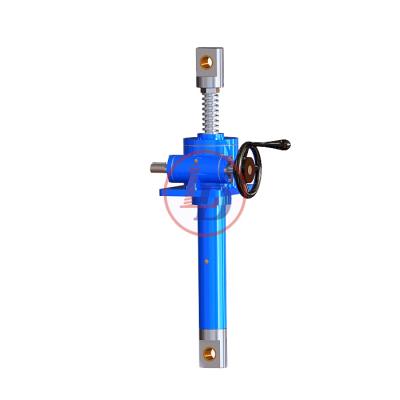
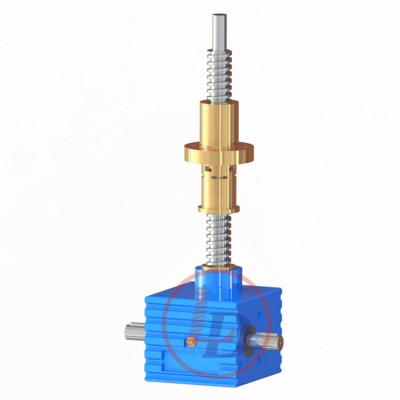
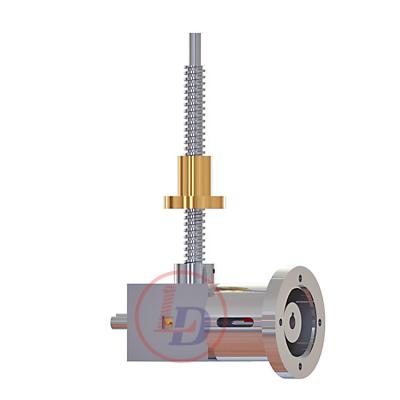
Definition: A high-precision linear actuator composed of a servo motor, ball screw, encoder, and control system.
Working Principle: Rotary motion is converted into linear motion through the ball screw, achieving precise displacement control.
Core Structural Components:
Servo Motor (Power Source)
Ball Screw (Transmission Core)
Encoder (Feedback System)
Controller (Achieves Closed-Loop Control)
III. Limitations of Hydraulic Cylinders
Energy Consumption: Continuous operation of the hydraulic pump leads to energy waste.
Environmental Issues: Oil leakage poses a pollution risk.
High Maintenance Costs: Frequent seal wear and oil replacement.
Limited Control Accuracy: Difficult to achieve high-precision positioning and repeatable control.
IV. Why Electric Servo Cylinders Can Replace Hydraulic Cylinders
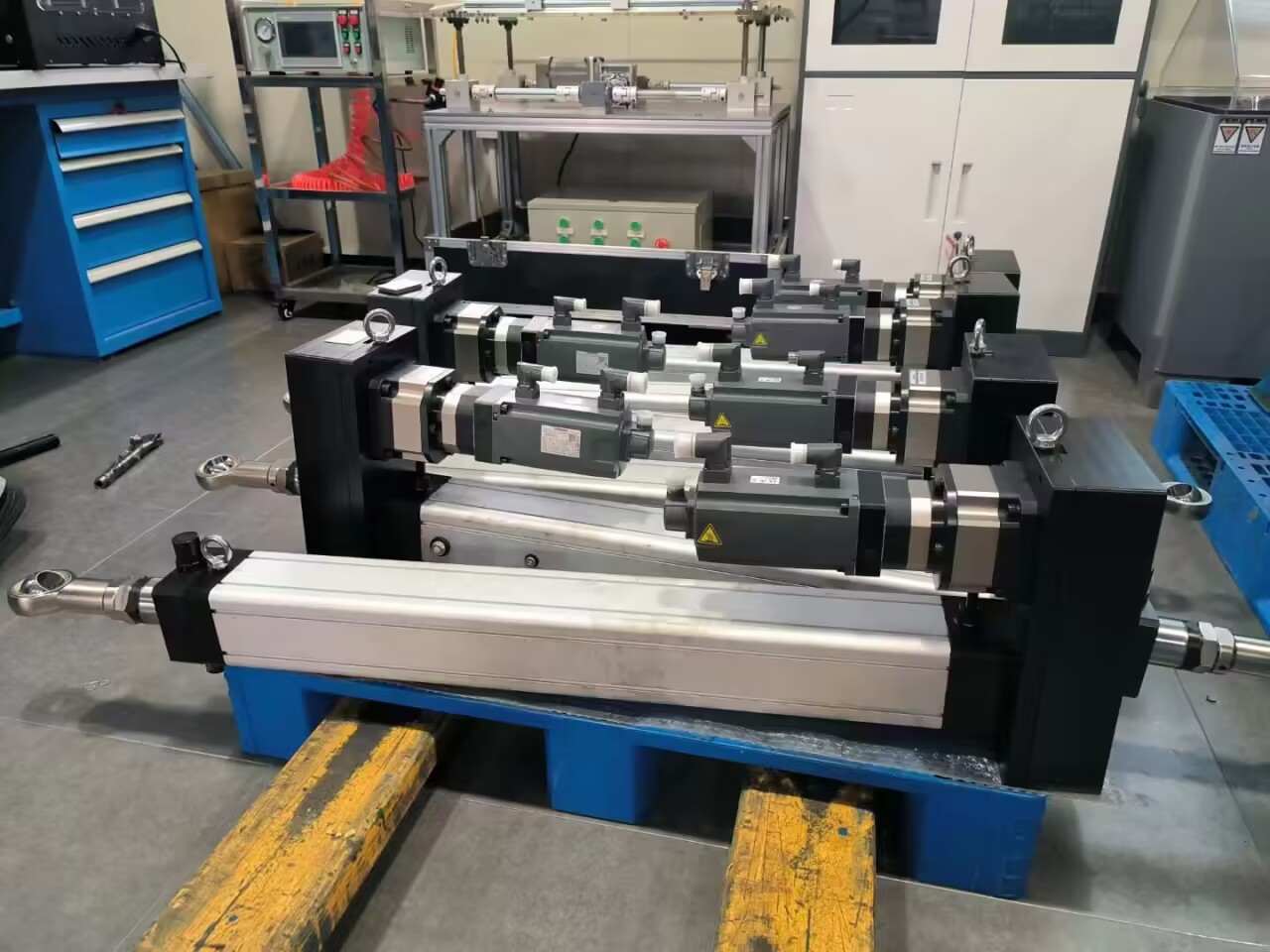
4.1 High Precision and Controllability
Uses closed-loop control to achieve micron-level positioning accuracy.
High repeatability, suitable for automated production lines.
4.2 Energy Saving and Environmental Protection
Powered on demand, no continuous operation required.
No oil system, avoiding pollution and leakage.
4.3 Low Maintenance Costs
Simple structure, no complex piping system. Long service life, longer maintenance cycle
4.4 Safety and Intelligence
Supports overload protection and real-time monitoring
Easy to integrate with PLC and industrial automation systems
V. Comparison of Electric Servo Cylinders and Hydraulic Cylinders
Comparison Items: Electric Servo Cylinder | Hydraulic Cylinder
Precision: High | Medium
Energy Consumption: Low | High
Maintenance: Simple | Complex
Environmentally Friendly: Pollution-free | Leakage Risk
Control Method: Digital | Analog Control
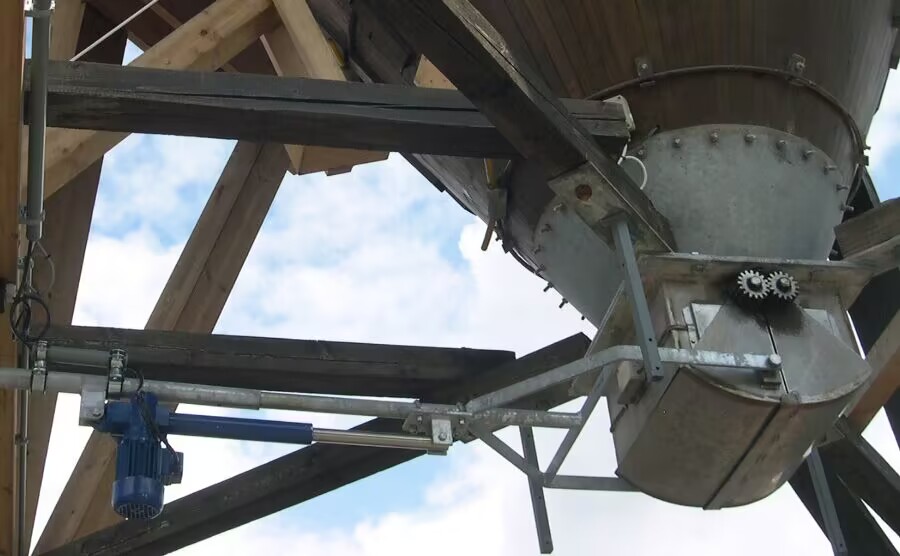
VI. Typical Application Areas
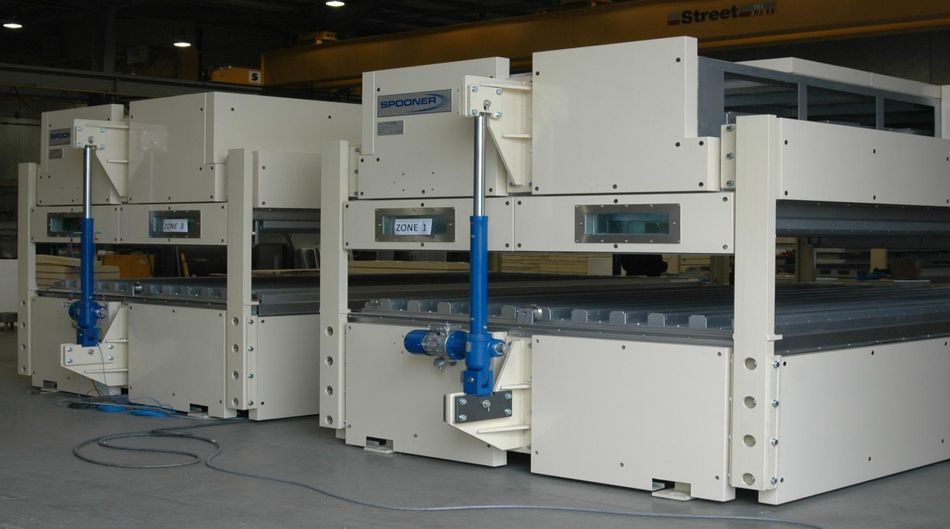
Automotive Manufacturing
Packaging Automation Equipment
Robotics and Intelligent Production Lines
Aerospace Testing Equipment
VII. Future Trends and Summary
Electrification and intelligence are the trends in industrial development.
Electric servo cylinders will continue to replace hydraulic systems in the mid-to-high-end market.
Summary: Electric servo cylinders have significant advantages in precision, energy saving, and environmental protection.
What is an Electric Servo Cylinder?
A: An electric servo cylinder is an actuator that converts the rotary motion of a servo motor into linear motion through a ball screw. It achieves closed-loop control through encoder feedback, accurately controlling position, speed, and thrust, and is widely used in automation equipment and precision manufacturing.
What is the working principle of an electric servo cylinder?
Its working principle is as follows:
A: The servo motor rotates → driving the ball screw → converting the rotational motion into linear motion → the encoder provides real-time position feedback → the control system performs closed-loop adjustments, thereby achieving high-precision control.
What is the lifespan of the electric servo cylinder?
A: Under normal operating conditions, electric servo cylinders have a long lifespan, especially those using high-quality ball screws, which can reach millions of cycles, far exceeding the maintenance cycles of traditional hydraulic systems.