

what are you looking for?
I. What is an Electric Linear Actuator?
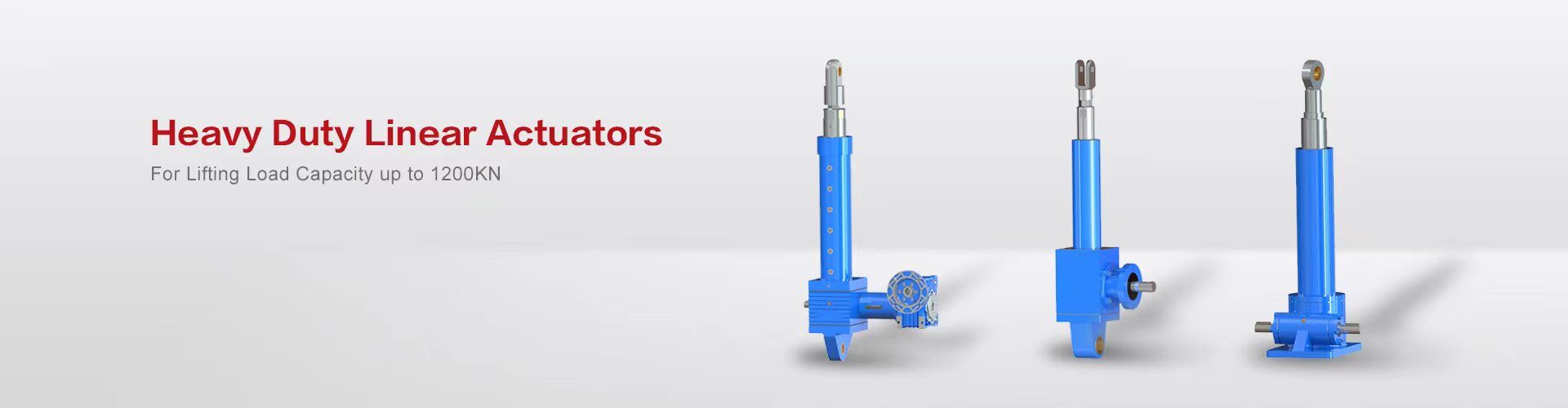
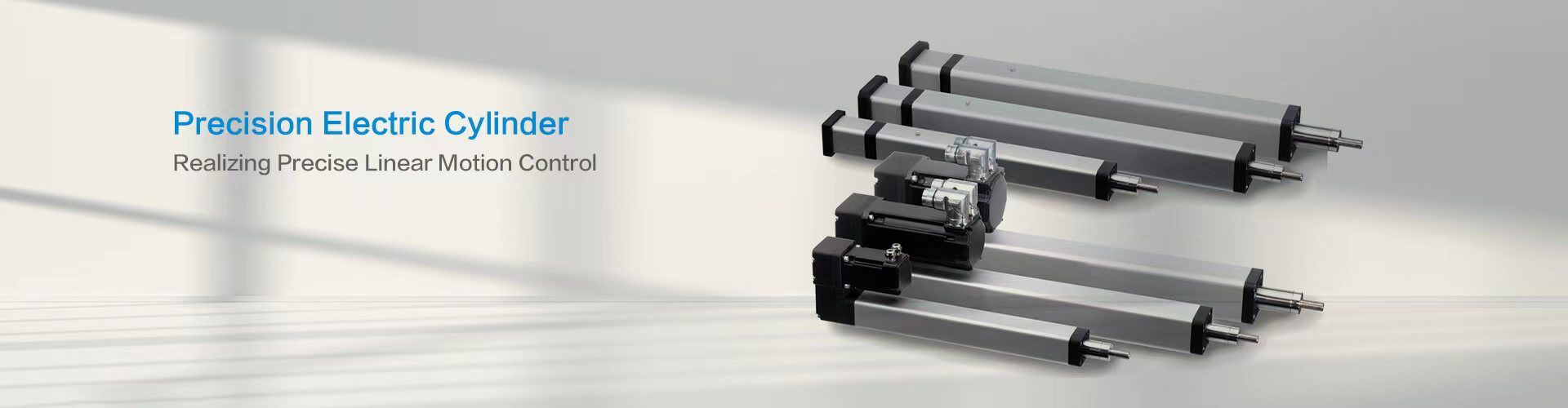
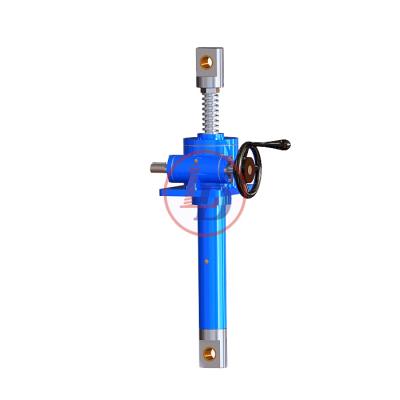
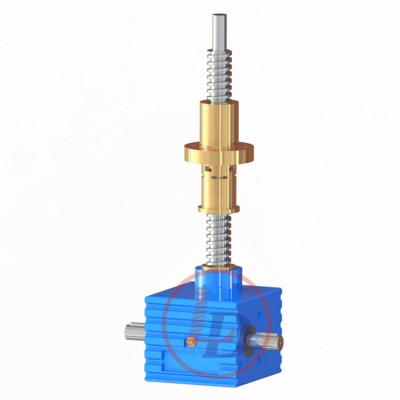
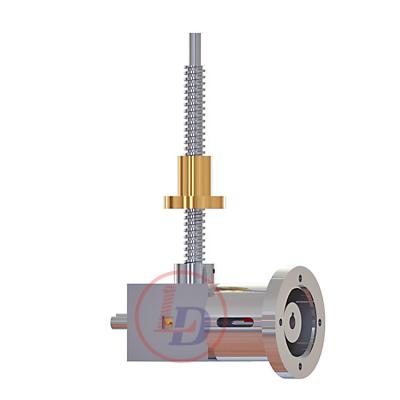
An electric linear actuator is a drive device capable of precisely converting the rotational motion of a motor into linear reciprocating motion. Its core components primarily include a drive motor, a lead screw, a reduction mechanism, and a protective housing; the overall structure is compact and operates with stability. Compared to traditional hydraulic and pneumatic systems, this product requires no complex piping, offers significant energy savings, and eliminates the risk of oil or gas leakage, making it more environmentally friendly and clean. Furthermore, it boasts higher position control precision and response speeds, is easy to install and maintain, and can be widely utilized in various types of automation equipment, lifting and adjustment mechanisms, and industrial transmission applications.
II. Main Materials Used in Electric Linear Actuators
Lead Screw Materials
Common materials for lead screws fall into three categories: #45 steel offers excellent cost-effectiveness—serving as a general-purpose material—due to its low cost and good machinability, making it suitable for scenarios involving standard loads and rotational speeds; alloy steel provides superior strength and toughness, along with outstanding load-bearing capacity, making it ideal for heavy-duty operating conditions involving high loads and high impact; stainless steel offers resistance to moisture and corrosion, allowing it to be used in harsh environments—such as those involving humidity, acids, or alkalis—without easily rusting. The surface is often treated via chrome plating or nitriding to effectively enhance hardness and wear resistance, thereby extending the service life of the lead screw.
Housing Materials
Housing materials are selected based on the specific application scenario: Aluminum alloy is lightweight and offers excellent heat dissipation properties, as well as ease of assembly, making it the most commonly used material for linear actuators; carbon steel possesses high structural strength and rigidity, along with strong resistance to deformation, and is frequently used in heavy-duty industrial equipment requiring high thrust; stainless steel features high cleanliness and resistance to corrosion and rust—meeting hygiene and safety standards—and is often employed in scenarios with strict environmental requirements, such as food processing and medical equipment.
Transmission Component Materials
The materials used for transmission components directly impact the product's performance: Gears are typically made from either alloy steel or engineering plastics; alloy steel offers high strength suitable for heavy loads, while engineering plastics ensure quiet operation and superior wear resistance. Bearings are selected from either high-carbon steel or stainless steel; high-carbon steel ensures precision and durability, while stainless steel is better suited for humid or corrosive environments. The specific combination of these materials directly determines the actuator's operational noise levels, transmission smoothness, wear resistance lifespan, and overall reliability. III. Application Scenarios for Electric Linear Actuators
Industrial Automation
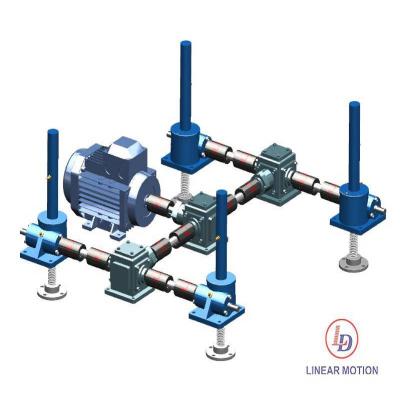
The field of industrial automation serves as the core application scenario for electric linear actuators, encompassing automated production lines, robotic manipulators, and various types of precision assembly equipment. These environments demand actuators capable of high-frequency reciprocating motion, precise positioning, and rapid response. They must reliably execute actions such as pushing, pulling, lifting, and angular adjustment. When integrated with control systems, these actuators enable automated closed-loop operations, effectively boosting production efficiency and product consistency while meeting the high-tempo, high-precision production demands of modern intelligent manufacturing.
Medical Equipment
Electric linear actuators are widely utilized in medical settings, including medical beds, patient care equipment, and surgical assistance devices. This sector imposes extremely stringent requirements on product safety and operational stability, while also emphasizing low noise levels, vibration-free operation, and smooth start-and-stop transitions to avoid causing any disturbance to patients. Actuators in this field must feature reliable overload protection and self-locking capabilities; furthermore, they must be constructed from eco-friendly, easy-to-clean materials that comply with the medical industry's rigorous safety standards, thereby ensuring a safe and comfortable experience during equipment usage.
Smart Home
Smart home applications—ranging from electric sofas and height-adjustable desks to smart curtains—are driving a trend toward smaller, quieter, and lighter linear actuators. These consumer products require actuators that operate quietly and smoothly, possess a compact form factor that is easy to conceal, and yet deliver sufficient thrust and durability to withstand frequent daily use. As smart home technology becomes increasingly widespread, actuators are continuously evolving toward lower power consumption, easier installation, and greater cost-effectiveness, thereby enhancing the convenience and comfort of the home living experience.
Automotive and Logistics Industries
In automotive testing equipment, as well as logistics conveyance and sorting systems, linear actuators are required to demonstrate exceptional stability and an extended service life. These operating environments often involve continuous duty cycles, heavy loads, or challenging ambient conditions; consequently, the actuators must be highly resistant to impact and wear, exhibit a low failure rate, and be capable of maintaining stable operation over prolonged periods. These actuators facilitate precise pushing, positioning, and clamping operations, making them ideally suited for applications such as automated warehousing and production line inspection—thereby ensuring the efficient and reliable operation of automotive manufacturing and logistics sorting processes. IV. How to Select Appropriate Materials
When selecting materials for linear actuators, specific combinations should be chosen based on actual operating conditions: for high-load applications, it is recommended to pair an alloy steel lead screw with a carbon steel structure to ensure adequate strength and load-bearing capacity. In corrosive environments—such as those involving high humidity, acids, or alkalis—stainless steel materials should be prioritized to prevent rust and extend service life. For scenarios requiring high positioning and motion precision, a precision ball screw system is the preferred choice. Conversely, if a project places a strong emphasis on cost control, a standard configuration utilizing #45 steel is sufficient to meet general operational requirements, offering superior cost-effectiveness.
V. Summary
The selection of materials for electric linear actuators is of paramount importance; every component—from the lead screw and housing to the internal transmission parts—directly impacts the product's load-bearing capacity, operational precision, durability, and suitability for specific applications, thereby ultimately determining the equipment's overall performance and service life. During the actual selection process, one should not focus solely on maximizing technical parameters or minimizing costs in isolation; instead, a comprehensive assessment based on specific operating conditions is essential. This involves selecting materials of appropriate strength based on the magnitude of the load, determining the necessary level of corrosion and rust resistance based on environmental conditions, and matching the transmission structure to the required control precision. A scientific and rational approach to material selection not only effectively meets the diverse operational demands of various industries—including industrial automation, medical equipment, home furnishings, and automotive sectors—while ensuring the long-term stability and reliability of the equipment, but also allows for effective cost control, thereby achieving an optimal balance between performance and cost-effectiveness.