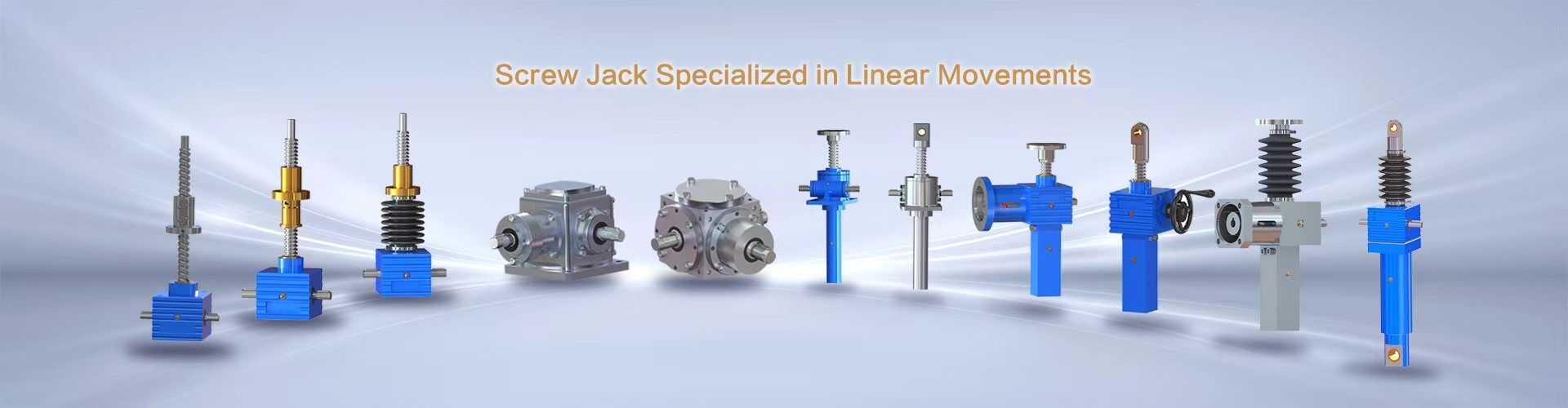
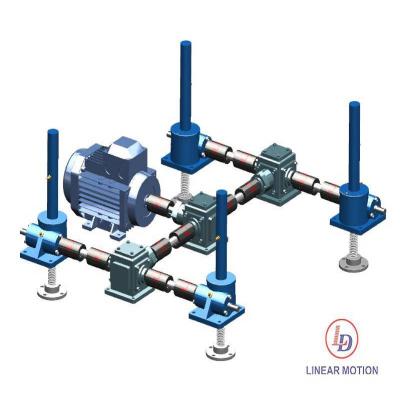
A screw jack is essentially a set of components on a piece of equipment. As we all know, all components experience wear and tear, so regular inspections and timely removal of foreign objects are necessary to ensure its proper function. Failure to clean on time may lead to dangerous situations such as the screw jack stopping during operation. So how should we inspect and maintain it?
Reducing the wear rate of
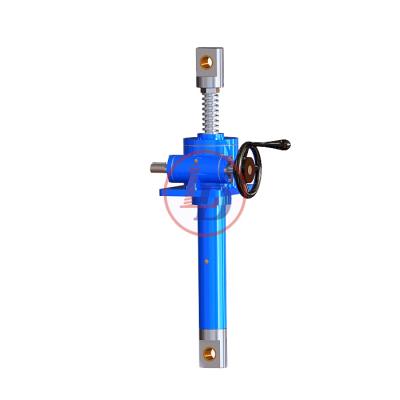
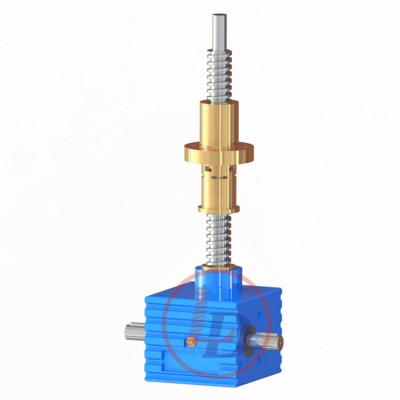
screw jack parts and eliminating potential malfunctions is our primary goal, thereby extending the machine's lifespan. We know that a screw jack mechanism consists of a worm gear and a lifting screw. Its reduction component is a worm drive, using the worm to drive the worm wheel to achieve speed reduction. The worm wheel has an internal thread structure, equivalent to the nut of the lifting screw, matching the lifting screw. For this structure, we should:
1. Routine Maintenance: Routine maintenance focuses on cleaning, lubrication, inspection, and tightening. The screw jack should be inspected before work each day, during work, and after work, including adding lubricant and cleaning the screw. 2. Regular Maintenance: According to the maintenance requirements of the screw jack, it must undergo regular maintenance after reaching the specified working hours or mileage.
3. Off-Duty Maintenance: When the screw jack needs to be shut down for a period of time due to working conditions (such as off-duty periods), off-duty maintenance should be performed. This mainly involves cleaning the screw jack, ensuring proper fittings are in place, and providing corrosion protection.
4. Storage Maintenance: When the screw jack is not in use, proper storage maintenance should be strictly to reduce the corrosive effects of natural weather on the equipment during long-term storage. For screws made of 45# steel, anti-rust oil should be applied, and the machine should be stored in a dry place to prevent rust and potential damage during later use.