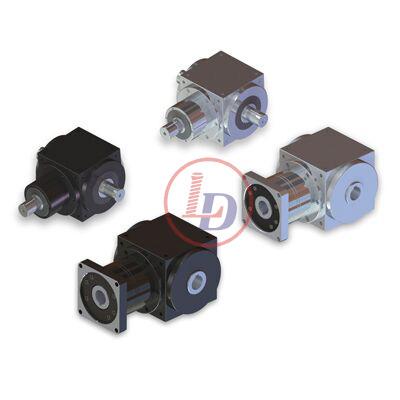
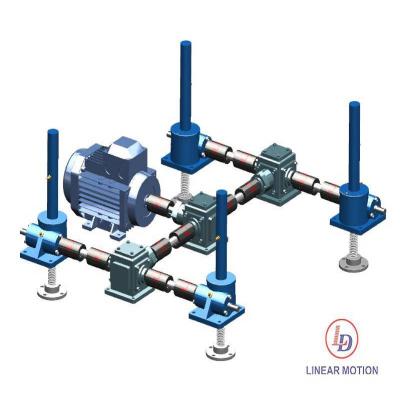
The selection of electric linear actuators directly affects equipment operational stability, service life, and project costs. Selection cannot be based solely on thrust; a comprehensive evaluation is needed, considering load, stroke, speed, duty cycle, operating environment, and control requirements. Lude Transmission offers a wide range of products, including
LP standard electric linear actuators, SC heavy-duty actuators, and servo electric cylinders. Standard supply and customization are both available to help you find the optimal solution.
1. Confirm Thrust/Pull Force (Load)
Determine the maximum thrust/pull force during actual operation. Static load, dynamic motion load, and frictional resistance all need to be included in the calculations. It is recommended to allow a safety factor of 1.2-1.5 times to avoid damage to components due to overload.
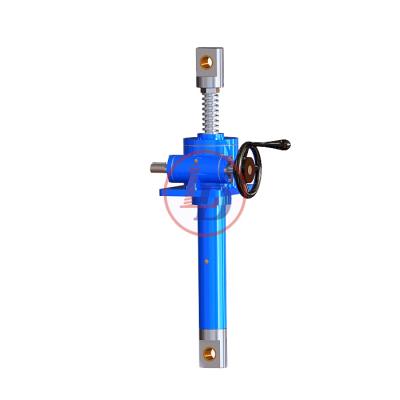
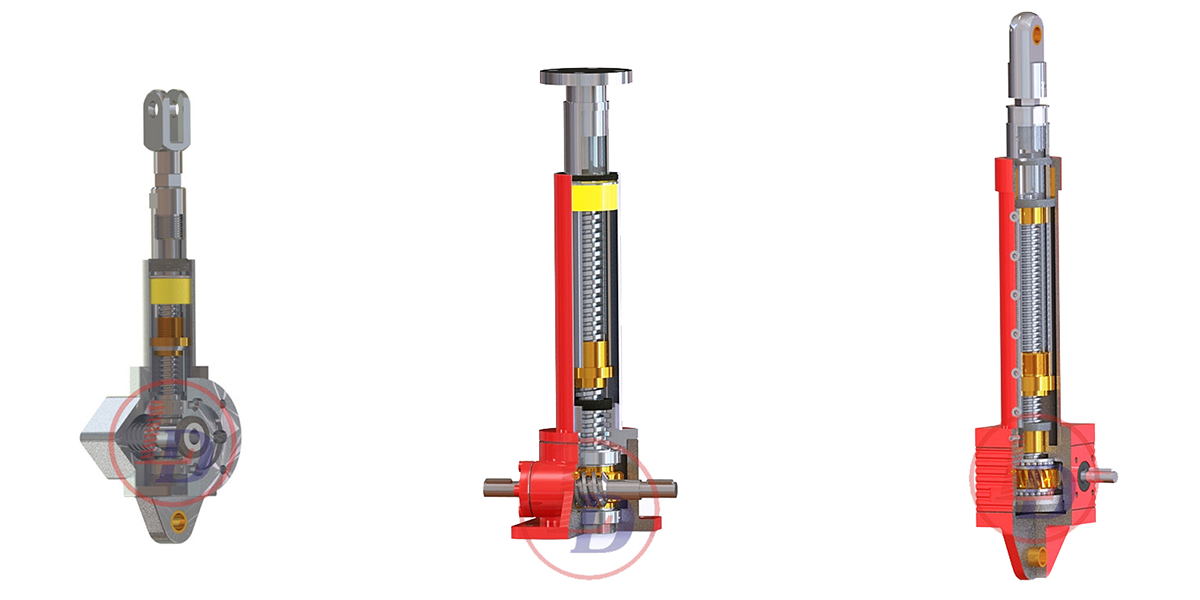
Small to medium loads: LP series electric linear actuators from LUDE TRANSMISSION, with load capacities ranging from 40kg to 20T. The telescopic tube is made of stainless steel; smaller models have aluminum alloy bodies, while larger models have cast iron housings.
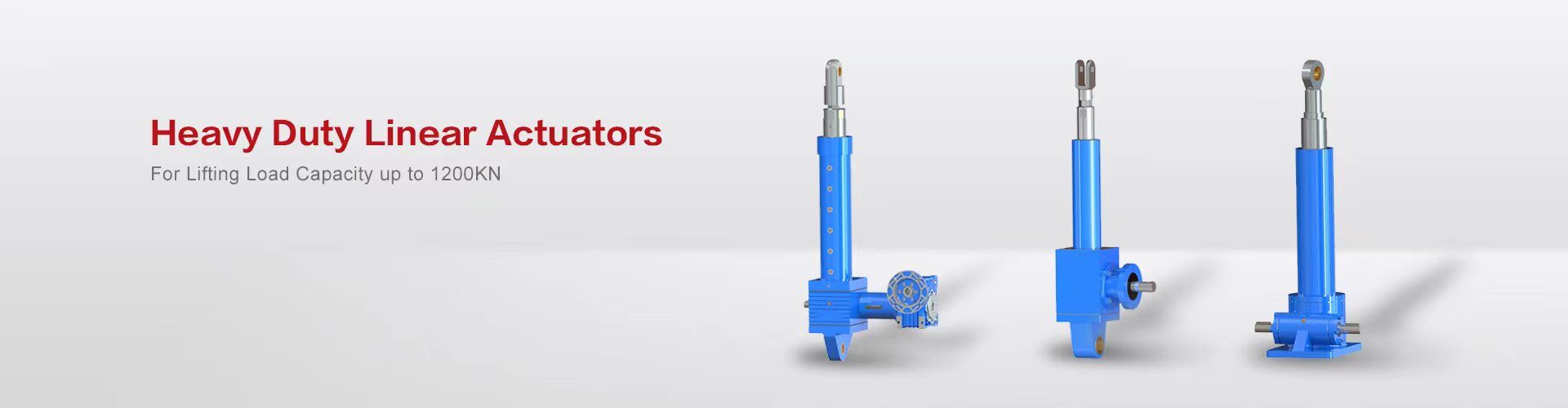
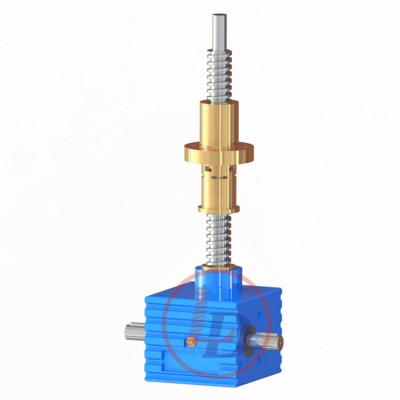
High loads and harsh conditions: SC heavy-duty linear actuators, with load ranges from 1.5t to 20t. They have a square housing, a compact structure, and are typically used in multiple units in synchronous operation.
2. Determine the stroke and installation space
Confirm the actual required telescopic stroke and verify the total retracted and extended lengths to ensure sufficient internal installation space.
3. Speed and duty cycle
Speed and thrust are mutually restrictive; higher thrust results in lower output speed.
Duty cycle represents the allowable intermittent working ratio of the equipment:
Intermittent low-frequency conditions: Trapezoidal screw actuators from LUDE TRANSMISSION LAP series or SCA series.
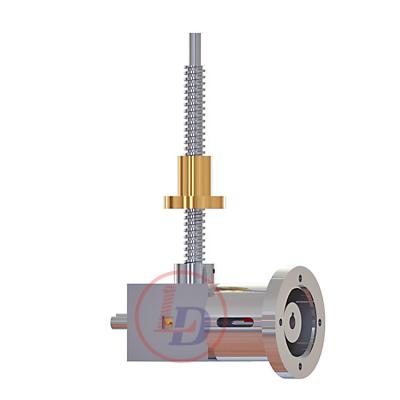
High-frequency, continuous operation conditions: Ball screw actuators, reducing heat generation and extending lifespan. LUDE TRANSMISSION LBP Series or SCB Series
4. Environmental Protection
Basic protection is sufficient for general indoor environments; high IP protection is required for outdoor, dusty, humid, and spray-dried conditions; stainless steel telescopic tubes and alloy outer protective structures are available for corrosive environments. SC heavy-duty actuators feature cast iron housings and stainless steel telescopic tubes, offering high protection and withstanding certain lateral forces, making them suitable for harsh environments.
5. Accuracy and Control Requirements
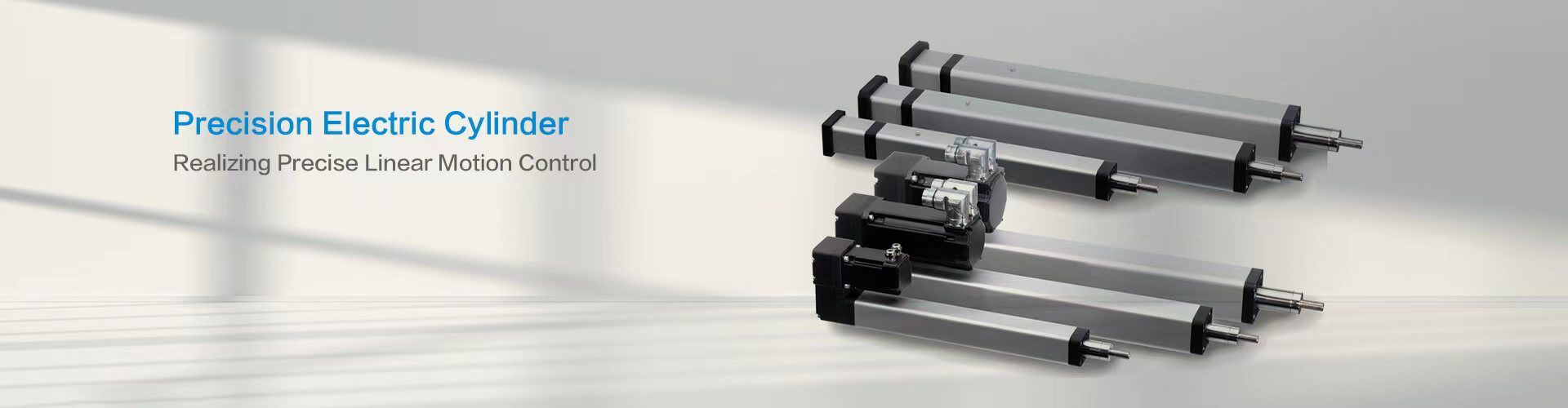
Standard lifting and adjustment: basic limit switches are sufficient. For precise positioning and synchronous multi-unit operation: servo electric cylinders with position feedback are recommended, supporting simultaneous operation of multiple units.
6. Installation Method and Accessory Requirements
Flange mounting, hinge mounting, ball joints, dust covers, limit switches, etc., please confirm in advance; LUDE can provide a complete set of accessories.
Selection Tip: Send your load, stroke, speed, operating frequency, environmental conditions, and control requirements to LUDE Transmission. Our technical team will provide free selection, 2D drawings, and 3D STEP models to shorten your project development cycle.
FAQ
Q1: From which model onwards did the housing material of the LAP series electric linear actuators change?
A1: LAP-22 and LAP-25 use die-cast aluminum alloy housings; LAP 40 and above models are upgraded to cast iron housings with increased wall thickness and a wider base, resulting in higher resistance to lateral forces and overall strength. The telescopic tubes are all made of standard stainless steel.
Q2: How to choose between screw jacks, LAP linear actuators, and SCB heavy-duty actuators?
A2: LAP electric linear actuators: suitable for small to medium loads, compact design, and intermittent operation.
SCB heavy-duty linear actuators: suitable for high loads and harsh conditions, with a cast iron housing and stainless steel telescopic tube, high protection level, capable of withstanding lateral forces, and supporting multi-unit linkage.
Q3: How to choose between trapezoidal screws and ball screws?
A3: Trapezoidal screws: self-locking, suitable for low-frequency intermittent lifting; Ball screws: fast speed, high efficiency, long lifespan, suitable for high-frequency continuous operation, no self-locking, requires a brake motor.