

what are you looking for?
Our three-day holiday is coming up soon. If you need to purchase lifting equipment, we are always available, and we look forward to hearing from you. Next, let me introduce you to the Chinese New Year.
1.What is New Year's Day?
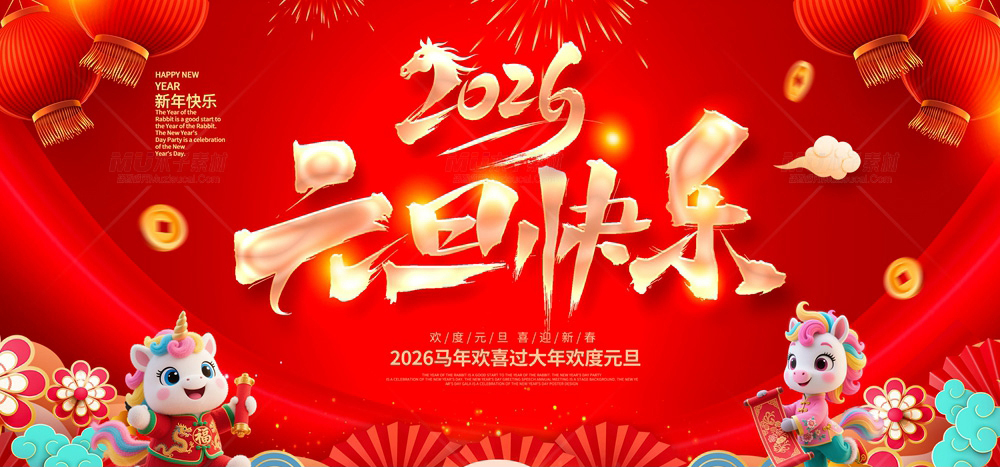
In China, New Year's Day, which falls on January 1st of the Gregorian calendar, is the "New Year" as commonly known in most countries around the world. "Yuan" means "beginning," referring to the start of something; "Dan" means "day"; therefore, "Yuan Dan" means "the first day." "New Year's Day" usually refers to the first day of the first month in the calendar.
2.The Origin of New Year's Day
In China, the term "New Year's Day" has existed since ancient times. The ancient "New Year's Day" originated with Zhuanxu, one of the Three Sovereigns and Five Emperors. However, while Zhuanxu proposed the concept of New Year's Day, he did not establish the term "New Year's Day." In Chinese history, "New Year's Day" referred to "the first day of the first month." From the time of Emperor Wu of Han, the first month of spring was designated as the first month, and the first day of the first month was called New Year's Day. An early record of "New Year's Day" can be found in the poem "Jie Ya" by Xiao Ziyun, a historian and writer of the Southern Dynasties. In 1949, the People's Republic of China designated January 1st of the Gregorian calendar as New Year's Day, so "New Year's Day" is also called "Solar New Year," "New Calendar Year," or "Gregorian Calendar Year" in China. In modern China, New Year's Day has become a holiday for all Chinese people. There is a one-day holiday, often adjusted to include the preceding or following weekend, usually resulting in a three-day break.
As the first day of the Gregorian calendar year, New Year's Day is a legal holiday in many countries and regions around the world. It embodies vibrant vitality, symbolizes new beginnings and new hope, and also carries people's best wishes and expectations for the future.
3.We Do on New Year's Day
I. Traditional Rituals
Greeting the Morning Sun: Get up early on New Year's Day, face the east, and recite these six auspicious phrases to yourself: "This year I have a new outlook, my steps are steady and purposeful, everything has new hope, I am safe, healthy, and strong, my career and life are bright, and my family and work are prosperous."
Eating Boiled Eggs: Eggs represent new life and hope. Before peeling, remember to roll them on the table, symbolizing good fortune rolling in.
Placing a Lucky Red Envelope Under the Pillow: Put a red envelope under your pillow, symbolizing stable wealth and success in the new year.
II. Culinary Delights
Northern Dumplings: Pork and chive filling, or three-delicacy filling – symbolizing reunion and togetherness.
Southern Rice Cakes: Soft and sticky, symbolizing prosperity year after year.
Recommended Home Banquet Dishes: Tomato and mushroom meatball soup, garlic vermicelli steamed shrimp, spicy stir-fried pig intestines – a balanced mix of meat and vegetables, hot and cold dishes, easy to make and foolproof.
III. Outdoor Activities
Climbing High to Welcome the New Year: On New Year's morning, many people climb the Great Wall or city walls, symbolizing rising higher and higher in the new year.
Temple Fair and Prayer: Places like Huguo Temple are very lively, where you can buy incense and candles and pray and make wishes.
Dragon Dance Parade: In Jiading Old Street, you can see glowing dragon lanterns parading through the streets, and young people are also playing trendy Chinese music.
IV. Modern Activities
Disney New Year's Eve Celebration: Shanghai Disneyland's fireworks show and the ringing of the bell at Hanshan Temple are top New Year's Eve attractions.
Skiing and Hot Springs: Northern friends go skiing in groups, while southerners prefer soaking in hot springs.
Short Trips: Meet friends for hot pot, karaoke, or take a two-day trip to a nearby city.